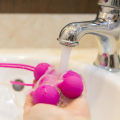
In the realm of sexual exploration, the use of sex toys has gained widespread acceptance and popularity. However, with this increased usage comes a critical responsibility: maintaining proper hygiene. Understanding the importance of In the realm of sexual exploration, the use of sex toys has gained widespread acceptance and popularity. However, with this increased usage comes a critical responsibility: maintaining proper hygiene. Understanding the importance of cleaning sex toys is essential not only for enhancing pleasure but also for safeguarding your sexual health. Neglecting this aspect can lead to serious health risks, including the transmission of sexually transmitted infections (STIs) and bacterial infections.Sex toy hygiene is not merely a matter of personal preference; it is a fundamental practice that should be prioritized by anyone who uses these intimate items.
The materials used in sex toys can vary significantly, from porous substances that can harbor bacteria to non-porous materials that are easier to clean. This diversity necessitates a tailored approach to cleaning and maintenance, ensuring that each toy is treated according to its specific needs. By adopting safe sex toy practices, users can enjoy their experiences without compromising their health.Moreover, the act of sharing sex toys introduces additional risks that must be addressed through diligent cleaning and disinfection. When toys are shared between partners or in group settings, they can become vectors for harmful pathogens if not properly sanitized.
This section will delve deeper into the significance of sex toy hygiene, exploring the various methods for cleaning and disinfecting these items effectively. By understanding the risks associated with inadequate hygiene and implementing best practices, individuals can foster a safer and more enjoyable sexual experience.
The Risks Associated with Sharing Sex Toys
Sharing sex toys can introduce a range of health risks that are often underestimated. While the act itself may seem innocuous, the potential for transmitting sexually transmitted infections (STIs) and other bacterial infections is significant. Understanding these risks is essential for anyone considering sharing their adult toys.Transmission of STIs
One of the most pressing concerns when sharing sex toys is the risk of STIs.
Infections such as chlamydia, gonorrhea, and herpes can be transmitted through contact with contaminated surfaces. When a toy is used by one partner and then shared with another without proper cleaning, any bodily fluids left on the toy can harbor these pathogens. This is particularly concerning for porous materials, which can trap bacteria and viruses, making them difficult to eliminate completely.
Bacterial Infections
In addition to STIs, sharing sex toys can lead to bacterial infections. For instance, urinary tract infections (UTIs) can occur if bacteria from one person’s body is transferred to another through a shared toy.
The moist environment of certain toys can also promote bacterial growth if they are not cleaned properly after each use.
Understanding the Risks
It’s crucial to recognize that not all sex toys are created equal when it comes to hygiene. Porous materials like rubber or jelly are more likely to harbor bacteria compared to non-porous materials like silicone or glass. Therefore, if you choose to share toys made from porous materials, it’s advisable to use condoms over them to provide an additional barrier against infection.
Preventive Measures
- Thorough Cleaning: Always clean your toys before and after each use. Use a mild soap or a specialized toy cleaner that is safe for the material.
- Disinfection: After cleaning, disinfect your toys using a solution designed for adult toys or a diluted bleach solution.
Rinse thoroughly afterward.
- Use Condoms: When sharing toys, especially those made from porous materials, consider using condoms as an extra layer of protection.
- Avoid Sharing: If possible, avoid sharing sex toys altogether. If you do share, ensure that both partners are aware of each other's sexual health status.
Types of Sex Toys and Their Materials
When it comes to sex toys, understanding the different types and the materials they are made from is essential for ensuring both safety and pleasure. The materials used in sex toys can significantly affect their cleaning methods, durability, and overall user experience. In this section, we will categorize sex toys based on their materials and explain the critical differences between porous and non-porous options.Types of Sex Toys
Sex toys come in a variety of shapes, sizes, and functions.Here are some common types:
- Vibrators: These are designed to provide stimulation through vibrations and can be used for clitoral, vaginal, or anal pleasure.
- Dildos: Typically phallic-shaped, dildos can be used for penetration and come in various materials and sizes.
- Anal Toys: Specifically designed for anal play, these toys often feature flared bases for safety.
- Couples' Toys: These are designed to be used by two partners simultaneously, enhancing shared pleasure.
- Bondage Gear: Items like cuffs, blindfolds, and restraints that enhance BDSM experiences.
Materials Used in Sex Toys
The materials used in sex toys can be broadly categorized into two groups: porous and non-porous.Porous Materials
Porous materials include rubber, jelly, and cyberskin. These materials have tiny pores that can trap bacteria and bodily fluids, making them more challenging to clean effectively. Here are some key points about porous materials:- Bacteria Growth: Due to their porous nature, these materials can harbor bacteria even after cleaning.
- Cleaning Limitations: While you can wash them with soap and water, complete disinfection is difficult. It is advisable to use condoms when sharing these toys.
- Lifespan: Porous toys tend to wear out faster than non-porous options due to material degradation over time.
Non-Porous Materials
Non-porous materials include silicone, glass, stainless steel, and hard plastic.These materials do not have pores that trap bacteria, making them easier to clean and maintain. Here are some advantages of non-porous materials:
- Easier Cleaning: Non-porous toys can be thoroughly cleaned with soap and water or even placed in the dishwasher (if manufacturer-approved).
- No Bacteria Trapping: The smooth surface prevents bacteria from adhering, reducing the risk of infections.
- Lifespan: Non-porous toys generally last longer due to their durability and resistance to wear.
How to Clean Sex Toys: Step-by-Step Guide
Cleaning and disinfecting your sex toys is essential for maintaining hygiene and ensuring safe use, especially if you share them with partners. Here’s a comprehensive step-by-step guide on how to clean sex toys effectively.- Gather Your Supplies: Before you start, make sure you have the following items ready:
- Mild soap or a specialized toy cleaner
- Warm water
- A clean towel or air drying rack
- Disinfectant solution (optional)
- Condoms (if sharing)
- Check the Material: Different materials require different cleaning methods.
Non-porous materials like silicone, glass, and stainless steel are easier to clean than porous materials like rubber or jelly. Always refer to the manufacturer’s instructions for specific cleaning recommendations.
- Wash Before Use: It’s a good practice to wash your toys before their first use. Rinse them under warm water and apply a small amount of mild soap or toy cleaner. Gently scrub the surface with your hands or a soft cloth, paying special attention to any crevices.
- Rinse Thoroughly: After washing, rinse your toys under warm running water to remove all soap residue.
This step is crucial as leftover soap can irritate sensitive areas during use.
- Disinfect (if necessary): For added safety, especially if sharing toys, consider disinfecting them. You can use a solution of 10% bleach and 90% water or a commercial toy disinfectant. Apply the solution and let it sit for the recommended time before rinsing thoroughly.
- Dry Properly: Allow your toys to air dry completely before storing them. Avoid using towels as they can harbor bacteria.
If you need to dry them quickly, use a clean, lint-free cloth.
- Store Safely: Once dry, store your sex toys in a clean, dry place away from direct sunlight. Use a dedicated storage bag or box to keep them dust-free and protected from damage.
Best Practices for Sharing Sex Toys Safely
Sharing sex toys can enhance intimacy and pleasure, but it also comes with certain health risks. To ensure a safe and enjoyable experience, it’s essential to follow best practices for hygiene and cleanliness.Here are some key strategies to consider when sharing your adult toys.
Use Condoms on Sex Toys
One of the simplest and most effective ways to minimize the risk of transmitting infections when sharing sex toys is to use condoms. By placing a condom over the toy before use, you create a barrier that helps prevent the exchange of bodily fluids and bacteria. This is especially important for porous materials that can harbor germs even after cleaning.- Choose the Right Condom: Ensure that the condom is compatible with the material of your sex toy. For example, latex condoms should not be used with oil-based lubricants, as they can break down the condom.
- Change Condoms Between Uses: If you’re switching between partners or different types of stimulation, always change the condom to maintain hygiene.
Thorough Cleaning Protocols
Before and after sharing sex toys, proper cleaning is crucial.Here’s a step-by-step guide:
- Wash Before Use: Clean the toy with warm water and a mild soap or a specialized toy cleaner before sharing it. This removes any dust or bacteria that may have accumulated during storage.
- Disinfect After Use: After sharing, disinfect the toy using a suitable solution, such as a 10% bleach solution or a dedicated toy cleaner. Make sure to follow the product instructions for effective disinfection.
- Rinse Thoroughly: After disinfecting, rinse the toy well under warm water to remove any cleaning residue.
- Air Dry Completely: Allow the toy to air dry completely before storing it away. This helps prevent moisture buildup, which can lead to mold or bacteria growth.
Additional Hygiene Tips
In addition to using condoms and following cleaning protocols, consider these additional hygiene tips:- Avoid Sharing Porous Toys: If possible, avoid sharing toys made from porous materials like rubber or jelly.
These materials can trap bacteria even after cleaning.
- Store Toys Properly: Keep your sex toys in a clean, dry place away from direct sunlight. Use storage bags or boxes to protect them from dust and contamination.
- Communicate with Partners: Discuss hygiene practices with your partner(s) before sharing toys. Open communication can help ensure everyone feels comfortable and safe.
Choosing the Right Lubricant for Your Sex Toys
When it comes to enhancing your experience with sex toys, choosing the right lubricant is crucial.Not only does it improve comfort and pleasure, but it also plays a significant role in maintaining the integrity of your toys and ensuring safety during use. With various types of lubricants available, understanding their compatibility with different materials is essential for a satisfying and safe experience.
Types of Lubricants for Adult Toys
There are three primary types of lubricants commonly used with sex toys: water-based, silicone-based, and oil-based. Each type has its unique properties, benefits, and drawbacks:- Water-Based Lubricants: These are the most versatile and widely recommended lubricants for use with sex toys. They are safe to use with all materials, including silicone, glass, and rubber.
Water-based lubes are easy to clean up and do not leave a sticky residue. However, they may require reapplication during extended sessions as they can dry out more quickly than other types.
- Silicone-Based Lubricants: Silicone lubes provide a longer-lasting glide compared to water-based options. They are ideal for use in water (like showers or baths) and are compatible with non-porous materials such as glass and stainless steel. However, they should not be used with silicone toys, as they can degrade the material over time.
- Oil-Based Lubricants: While oil-based lubes can offer a luxurious feel and long-lasting lubrication, they are not compatible with latex condoms and can degrade certain materials like rubber or jelly.
They are best suited for use with non-latex barriers and non-porous toys.
Lubricant Safety
When selecting a lubricant, safety should be a top priority. Here are some important considerations:- Check Ingredients: Always read the ingredient list before purchasing a lubricant. Avoid products containing glycerin or parabens if you have sensitive skin or are prone to infections.
- Patch Test: If you’re trying a new lubricant for the first time, consider doing a patch test on a small area of skin to check for any allergic reactions.
- Storage: Store lubricants in a cool, dry place away from direct sunlight to maintain their effectiveness.
Common Myths About Sex Toy Hygiene Debunked
When it comes to the hygiene of sex toys, there are numerous myths and misconceptions that can lead to unsafe practices.Understanding the truth behind these myths is essential for maintaining sexual health and safety. Here, we debunk some of the most common myths about sex toy hygiene.
- Myth 1: Soap and water are enough to clean sex toys.
Many people believe that simply washing their toys with soap and water is sufficient. While this is a good start, it may not eliminate all bacteria or viruses. For thorough cleaning, especially if sharing toys, it’s crucial to use a dedicated toy cleaner or a solution that effectively disinfects. - Myth 2: All materials are equally easy to clean.
Not all sex toys are made from the same materials.Porous materials like rubber or jelly can harbor bacteria even after cleaning, making them less safe for sharing. Non-porous materials such as silicone, glass, or stainless steel are much easier to clean and disinfect properly.
- Myth 3: You can share sex toys without cleaning them first.
This is one of the most dangerous misconceptions. Sharing uncleaned toys can lead to the transmission of sexually transmitted infections (STIs) and other infections. Always clean and disinfect toys before sharing them with anyone. - Myth 4: If a toy looks clean, it is clean.
Visual inspection alone is not a reliable method for determining cleanliness.Bacteria and viruses are microscopic and cannot be seen with the naked eye. Always follow proper cleaning protocols regardless of how clean a toy appears.
- Myth 5: You don’t need to clean your toys if you’re the only one using them.
Even if you’re the sole user, it’s important to clean your toys after each use. This practice helps prevent the buildup of bacteria and ensures that your toys remain in good condition over time.
Conclusion: Prioritizing Safety and Hygiene in Sexual Wellness
In conclusion, the journey towards sexual wellness is not just about exploration and pleasure; it is equally about ensuring safety and hygiene.As we have discussed, sharing sex toys can introduce various health risks, including the transmission of sexually transmitted infections (STIs) and bacterial infections. Therefore, it is imperative to prioritize cleanliness and proper maintenance of your adult toys.To recap, here are the essential practices for maintaining hygiene when using and sharing sex toys:
- Understand Material Types: Recognizing whether your toys are made from porous or non-porous materials is crucial. Porous materials can harbor bacteria, making them less suitable for sharing without proper precautions.
- Thorough Cleaning: Always wash your toys with warm water and a mild soap or a specialized toy cleaner before and after each use. This step is vital in removing bodily fluids and preventing bacterial growth.
- Disinfection: After cleaning, disinfect your toys using a toy-safe solution or a diluted bleach solution.
This extra step helps eliminate any remaining pathogens that could pose health risks.
- Use Condoms: When sharing toys, consider using condoms as an additional barrier. This practice significantly reduces the risk of STI transmission.
- Store Properly: Ensure that your toys are completely dry before storing them in a clean, dry place. Moisture can lead to mold and bacteria growth, compromising their safety for future use.
Taking the time to clean and maintain your sex toys properly ensures that they remain safe for enjoyment, allowing you to focus on what truly matters—your pleasure and connection with others.Ultimately, prioritizing safety and hygiene in your sexual practices fosters a healthier approach to intimacy. Embrace these practices as part of your routine, and you will contribute positively to your sexual well-being and that of your partners.