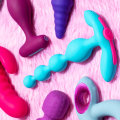
Maintaining proper hygiene for your sex toys is not just a matter of personal preference; it is essential for safeguarding your health and well-being. Many individuals may underestimate the importance of cleaning these intimate items, but neglecting this crucial step can lead to serious health risks. Bacteria, viruses, and fungi can thrive on unclean toys, potentially leading to infections or irritations that can disrupt your sexual wellness. Understanding the significance of cleaning sex toys is the first step toward ensuring a safe and pleasurable experience.Moreover, the materials used in sex toys can vary widely, from porous substances like jelly rubber to non-porous options such as silicone and glass. Maintaining proper hygiene for your sex toys is not just a matter of personal preference; it is essential for safeguarding your health and well-being. Many individuals may underestimate the importance of cleaning these intimate items, but neglecting this crucial step can lead to serious health risks. Bacteria, viruses, and fungi can thrive on unclean toys, potentially leading to infections or irritations that can disrupt your sexual wellness. Understanding the significance of cleaning sex toys is the first step toward ensuring a safe and pleasurable experience.Moreover, the materials used in sex toys can vary widely, from porous substances like jelly rubber to non-porous options such as silicone and glass.
Each type requires a different cleaning approach to effectively eliminate harmful pathogens without damaging the toy itself. For instance, porous materials can harbor bacteria even after washing, making them more susceptible to causing infections. Therefore, it is vital to adopt a consistent cleaning routine tailored to the specific materials of your toys.In addition to health considerations, opting for eco-friendly cleaning methods offers a dual benefit: protecting both your body and the environment. Traditional cleaning products often contain harsh chemicals that can be detrimental not only to your health but also to the planet.
By choosing natural alternatives, you can ensure that your cleaning practices are safe and sustainable. This conscious choice reflects a growing awareness of our environmental impact and promotes a healthier lifestyle.Ultimately, understanding the importance of cleaning sex toys goes beyond mere hygiene; it encompasses a holistic approach to sexual health and environmental responsibility. By prioritizing cleanliness and opting for eco-friendly solutions, you can enjoy your intimate experiences with peace of mind, knowing that you are taking care of both yourself and the planet.
Why Choose Eco-Friendly Cleaning Products?
Choosing eco-friendly cleaning products for your sex toys is not just a trend; it’s a conscious decision that benefits both your health and the environment. Here are some compelling reasons to make the switch:Health Benefits
Many conventional cleaning products contain harsh chemicals that can irritate the skin and disrupt hormonal balance.By opting for eco-friendly alternatives, you reduce your exposure to these potentially harmful substances. Natural cleaners, such as those made from vinegar or essential oils, are less likely to cause allergic reactions or skin irritations, making them safer for intimate use.
Environmental Impact
The production and disposal of traditional cleaning products contribute significantly to environmental pollution. Many of these products contain phosphates, sulfates, and other chemicals that can harm aquatic life when they enter waterways. Eco-friendly cleaning products are typically biodegradable and made from renewable resources, which means they break down more easily in the environment and have a lower carbon footprint.Effectiveness Without Compromise
One common misconception is that eco-friendly cleaning products are less effective than their chemical-laden counterparts.However, many natural ingredients possess strong antibacterial and antifungal properties. For instance, tea tree oil is known for its disinfectant qualities, while baking soda can effectively neutralize odors and remove grime. These natural alternatives can clean your sex toys just as effectively without the negative side effects.
Long-Term Cost Savings
While some eco-friendly products may have a higher upfront cost, they often prove to be more economical in the long run. Many natural cleaning solutions can be made at home using simple ingredients like vinegar, baking soda, and water.This not only saves money but also reduces packaging waste associated with store-bought cleaners.
Supporting Sustainable Practices
By choosing eco-friendly cleaning products, you are supporting companies that prioritize sustainability and ethical practices. Many brands focus on using responsibly sourced ingredients and environmentally friendly packaging. This choice helps promote a market that values ecological responsibility and encourages more businesses to adopt sustainable practices.In conclusion, switching to eco-friendly cleaning products for your sex toys offers numerous benefits that extend beyond personal health. It’s an opportunity to make a positive impact on the environment while ensuring your intimate items remain safe and clean.Embracing these alternatives is a step towards a healthier lifestyle and a more sustainable planet.
Natural Ingredients for Cleaning Sex Toys
When it comes to cleaning sex toys, opting for natural ingredients can provide a safe and effective solution. Many conventional cleaning products contain harsh chemicals that can be harmful to both your body and the environment. By using natural ingredients, you can create your own DIY cleaners that are not only eco-friendly but also gentle on your intimate items.Common Natural Cleaning Ingredients
- Vinegar: White vinegar is a powerful natural disinfectant. Its acidity helps to kill bacteria and neutralize odors.
However, it should not be used on porous materials, as it can degrade them over time.
- Baking Soda: This versatile ingredient acts as a gentle abrasive and deodorizer. It can be mixed with water to form a paste that effectively cleans surfaces without scratching them.
- Castile Soap: Made from vegetable oils, Castile soap is biodegradable and free from synthetic fragrances. It’s an excellent choice for cleaning non-porous toys, as it effectively removes dirt and bacteria.
- Essential Oils: While not all essential oils are safe for use on sex toys, some like tea tree oil and lavender have natural antibacterial properties. Always dilute essential oils in a carrier substance like water or vinegar before use.
- Hydrogen Peroxide: This natural disinfectant is effective against a wide range of pathogens.
It can be used in diluted form to clean non-porous toys safely.
DIY Cleaner Recipes
Creating your own cleaning solutions is simple and allows you to control the ingredients. Here are a couple of easy recipes:- Vinegar and Water Solution:
- Mix equal parts of white vinegar and water in a spray bottle.
- Spray the solution onto the toy, let it sit for a few minutes, then rinse thoroughly with warm water.
- Baking Soda Paste:
- Combine 1/2 cup of baking soda with enough water to form a thick paste.
- Apply the paste to the toy, scrub gently with a soft cloth or sponge, then rinse well with warm water.
How to Properly Clean Different Types of Sex Toys
Cleaning your sex toys properly is crucial for maintaining hygiene and ensuring their longevity. Different materials require different cleaning methods, and understanding the distinction between porous and non-porous materials is essential.Understanding Porous vs.
Non-Porous MaterialsPorous materials, such as jelly rubber, certain types of plastic, and some silicone blends, have tiny holes that can trap bacteria, moisture, and other harmful substances. This makes them more challenging to clean effectively. Non-porous materials, including high-quality silicone, glass, stainless steel, and ABS plastic, do not have these tiny openings, making them easier to sanitize.
Cleaning Porous Sex Toys
For porous sex toys, it is vital to clean them thoroughly after each use to minimize the risk of bacterial growth:- Rinse Immediately: After use, rinse the toy under warm water to remove any bodily fluids.
- Use a Gentle Soap: Apply a mild, unscented soap or a specially formulated toy cleaner. Avoid products with alcohol or harsh chemicals that can degrade the material.
- Scrub Gently: Use a soft cloth or sponge to gently scrub the surface.
Pay special attention to any textured areas where bacteria may hide.
- Rinse Again: Thoroughly rinse the toy under warm water to ensure all soap is removed.
- Dry Properly: Pat dry with a clean towel or let air dry completely before storing it in a cool, dry place.
Cleaning Non-Porous Sex Toys
Non-porous toys are generally easier to clean and can often withstand more rigorous cleaning methods:- Warm Water Rinse: Similar to porous toys, start by rinsing the toy under warm water.
- Soap or Disinfectant: Use a mild soap or an eco-friendly disinfectant. For glass or metal toys, you can also use a diluted solution of hydrogen peroxide or rubbing alcohol for added disinfection.
- Scrub if Necessary: For toys with intricate designs or textures, use a soft brush to ensure all areas are cleaned.
- Rinse Thoroughly: Make sure all cleaning agents are washed away with warm water.
- Airing Out: Allow the toy to air dry completely before storing it away. This helps prevent moisture buildup that could lead to mold or bacteria growth.
Disinfecting Your Sex Toys Safely and Effectively
Disinfecting your sex toys is a crucial step in maintaining not only your personal hygiene but also the longevity of your toys.Proper disinfection helps prevent the growth of bacteria, fungi, and viruses that can lead to infections or other health issues. While traditional disinfectants may be effective, they often contain harsh chemicals that can be harmful to both your body and the environment. Therefore, opting for safe and natural disinfecting methods is essential.
Understanding Safe Disinfectants
When selecting a disinfectant for your sex toys, it’s important to choose products that are both effective and safe. Here are some eco-friendly options:
- Hydrogen Peroxide: This natural disinfectant is effective against a wide range of pathogens.
A solution of 3% hydrogen peroxide can be used to wipe down non-porous toys. Just ensure you rinse thoroughly with water afterward.
- Rubbing Alcohol: Isopropyl alcohol (at least 70% concentration) is another excellent option for disinfecting. It evaporates quickly and leaves no residue, making it ideal for cleaning silicone or glass toys.
- Vinegar: While not as potent as hydrogen peroxide or rubbing alcohol, white vinegar has mild antibacterial properties. It can be used as a rinse after cleaning with soap and water, but should not be relied upon as the sole disinfectant.
Natural Disinfecting Methods
If you prefer to create your own cleaning solutions, consider these natural methods:
- Soap and Water: The simplest method involves using warm water and a gentle, biodegradable soap.
This method is effective for most non-porous materials. Make sure to scrub all surfaces thoroughly.
- Essential Oils: Certain essential oils like tea tree oil or lavender have natural antibacterial properties. You can add a few drops to your soap solution for added protection. However, always check if the essential oil is safe for use on your specific toy material.
Best Practices for Disinfecting
To ensure effective disinfection of your sex toys, follow these best practices:
- Always read the manufacturer’s instructions regarding cleaning and disinfecting.
- Clean your toys before and after each use to minimize the risk of infection.
- Avoid using bleach or harsh chemicals that can damage the material of your toys.
- Store your toys in a clean, dry place to prevent contamination.
Remember that regular disinfection is key to enjoying your pleasure products safely!
Best Practices for Storing Cleaned Sex Toys
Proper storage of your cleaned sex toys is crucial for maintaining their condition and ensuring hygiene. When sex toys are not stored correctly, they can become damaged or contaminated, which can lead to health risks and a shorter lifespan for the products. Here are some best practices to consider when storing your sex toys:- Choose the Right Storage Container: Opt for a dedicated storage box or pouch that is specifically designed for sex toys. Look for containers made from breathable materials, such as cotton or canvas, which allow air circulation and prevent moisture buildup.
- Keep Toys Separate: To avoid cross-contamination and damage, store different types of toys separately.
For instance, silicone toys should not be stored with jelly or rubber toys, as they can react with each other and degrade over time.
- Maintain Cleanliness: Before storing your toys, ensure they are thoroughly cleaned and dried. Any residual moisture can promote the growth of bacteria or mold. Use a soft cloth to wipe them down after cleaning to ensure they are completely dry.
- Avoid Direct Sunlight: Store your sex toys in a cool, dark place away from direct sunlight. UV rays can degrade materials like silicone and rubber, leading to discoloration and loss of integrity.
- Temperature Control: Extreme temperatures can affect the quality of your toys.
Avoid storing them in places like bathrooms or attics where temperature fluctuations are common. A stable environment is ideal for preserving the materials.
- Label Your Storage: If you have multiple toys, consider labeling your storage containers or pouches. This will help you quickly identify which toy is which without having to rummage through everything.
Eco-Friendly Disposal Methods for Old Sex Toys
When it comes to maintaining a sustainable lifestyle, the disposal of old or unwanted sex toys is an often-overlooked aspect.Many people may not realize that improper disposal can contribute to environmental harm. Therefore, understanding eco-friendly disposal methods is crucial for minimizing our ecological footprint.
Why Responsible Disposal Matters
Sex toys are typically made from various materials, including silicone, rubber, plastic, and metal. When these items are discarded improperly, they can end up in landfills where they take years to decompose. Additionally, some materials can leach harmful chemicals into the soil and water supply.
By adopting responsible disposal practices, we can help mitigate these negative impacts.
Eco-Friendly Disposal Methods
- Recycling: Some sex toys made from non-porous materials like silicone or metal can be recycled. Check with your local recycling program to see if they accept these materials. If they do, ensure that the toys are clean and free from any bodily fluids before placing them in the recycling bin.
- Specialized Disposal Programs: Certain companies and organizations offer take-back programs specifically for sex toys. These programs ensure that the products are disposed of in an environmentally friendly manner.
Research brands that provide such services and take advantage of them.
- Composting: If your sex toy is made from biodegradable materials, consider composting it. However, this method is only suitable for specific types of toys, so be sure to verify the material composition before proceeding.
- Donation: While it may seem unconventional, some organizations accept gently used sex toys for educational purposes or sexual health initiatives. Always check with the organization first to ensure they have a policy in place for accepting such items.
Steps for Safe Disposal
- Clean Your Toy: Before disposing of your sex toy, thoroughly clean it according to the manufacturer's instructions to remove any bacteria or bodily fluids.
- Research Local Options: Investigate local recycling centers or specialized disposal programs that accept sex toys.
- Follow Guidelines: Adhere to any specific guidelines provided by your local waste management services regarding the disposal of plastic or electronic items.
Frequently Asked Questions About Cleaning Sex Toys
When it comes to maintaining the cleanliness and safety of your sex toys, many questions often arise.Here, we address some of the most frequently asked questions regarding the cleaning and care of these intimate items.
1.How often should I clean my sex toys?
It is essential to clean your sex toys before and after each use. This practice helps prevent the buildup of bacteria and ensures that your toys remain safe for use. For porous materials, such as jelly rubber, cleaning after every use is crucial, while non-porous materials like silicone or glass can be cleaned less frequently but should still be sanitized regularly.2.Can I use regular household cleaners on my sex toys?
No, it is not advisable to use regular household cleaners on your sex toys. Many conventional cleaners contain harsh chemicals that can damage the materials of your toys and may leave harmful residues.Instead, opt for eco-friendly alternatives or specially formulated toy cleaners that are safe for intimate use.
3.What are some effective natural cleaning solutions?
- Vinegar and water: A mixture of equal parts vinegar and water can effectively clean most non-porous toys.
- Baking soda: This can be used as a gentle abrasive cleaner when mixed with water to form a paste.
- Castile soap: A natural soap that is safe for cleaning various materials without harsh chemicals.
4.Is it safe to boil my sex toys for disinfection?
Boiling can be an effective method for disinfecting certain non-porous materials like silicone or stainless steel. However, always check the manufacturer's guidelines first, as some materials may not withstand high temperatures and could become damaged.5.How should I store my sex toys after cleaning?
After cleaning, ensure your sex toys are completely dry before storing them. Store them in a cool, dry place away from direct sunlight. Using a dedicated storage bag or box can help keep them clean and protected from dust and other contaminants.By addressing these common questions, we hope to provide clarity on how to properly care for your sex toys, ensuring both your health and the longevity of your products.Conclusion: Embracing Eco-Friendly Practices in Sexual Wellness
As we conclude our exploration of eco-friendly alternatives for cleaning and disinfecting sex toys, it is essential to reflect on the significant benefits these practices offer not only to our personal health but also to the environment.By adopting sustainable cleaning methods, we can ensure that our intimate products remain safe for use while minimizing our ecological footprint.Throughout this article, we have highlighted various natural cleaning solutions, such as vinegar , baking soda , and plant-based cleaners, which effectively eliminate bacteria without introducing harmful chemicals into our bodies or the environment. These alternatives are not just effective; they also promote a healthier lifestyle by reducing exposure to toxic substances commonly found in traditional cleaning products.Moreover, understanding the specific cleaning requirements for different types of sex toys is crucial. For instance, porous materials require more frequent cleaning due to their ability to harbor bacteria, while non-porous materials can be maintained with less frequency. This knowledge empowers users to take better care of their toys, ensuring longevity and safety.In addition to cleaning practices, we must also consider the responsible disposal of old or unwanted sex toys.
Many conventional products contribute to landfill waste and environmental pollution. By choosing eco-friendly disposal methods, such as recycling or utilizing biodegradable options, we can further align our sexual wellness practices with our commitment to sustainability.Ultimately, embracing eco-friendly practices in sexual wellness is about making informed choices that benefit both ourselves and the planet. As consumers become more aware of the impact of their purchasing decisions, the demand for sustainable products will continue to grow. This shift not only encourages manufacturers to create safer, greener options but also fosters a culture of responsibility and mindfulness in our intimate lives.In summary, by integrating eco-friendly cleaning methods and responsible disposal practices into our sexual wellness routines, we can enjoy a fulfilling and pleasurable experience while contributing positively to the environment.
Let us commit to making these small yet impactful changes in our lives for a healthier future.